EPA reapproves weaponized dicamba, betraying farmers for corporate profit
02/11/2026 / By Lance D Johnson

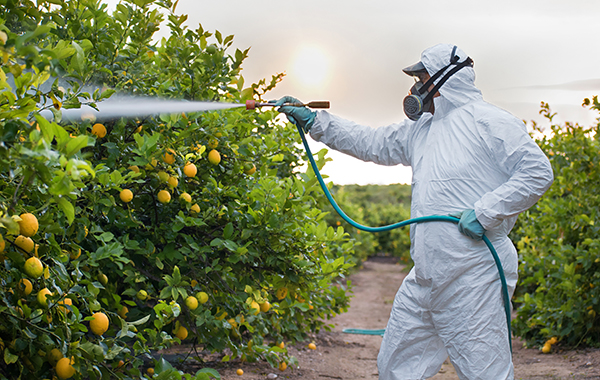
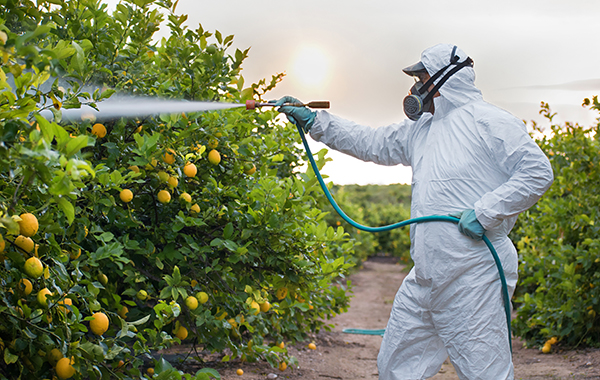
In the heartland of America, a silent war is being waged against the very soil and soul of farming communities. The weapon is a volatile, drift-prone pesticide called dicamba, and the generals are the chemical giants who manufacture it, now operating with the explicit permission of a captured regulatory agency. Despite being struck down twice by federal courts for its unlawful and devastating approval, the Environmental Protection Agency, now staffed by former industry lobbyists, has brazenly re-approved dicamba for use on genetically engineered crops.
Key points:
- The EPA has re-approved dicamba for over-the-top use on genetically engineered soybeans and cotton, defying two federal court rulings that found previous approvals unlawful.
- The new approval, engineered under the oversight of former pesticide industry lobbyists now in key EPA roles, actually weakens already-failed protections, increasing the risk of catastrophic drift.
- Dicamba drift has already caused the most extensive crop and environmental damage in U.S. agricultural history, harming millions of acres, decimating orchards, and threatening endangered species.
- Internal documents reveal chemical companies like Monsanto (now Bayer) and BASF anticipated and strategized around this damage, viewing farmer desperation as a “market opportunity.”
- This decision exemplifies the complete regulatory capture of the EPA by the chemical industry, sacrificing farmer livelihoods and environmental health for guaranteed profits.
A legacy of lies and landscape-level ruin
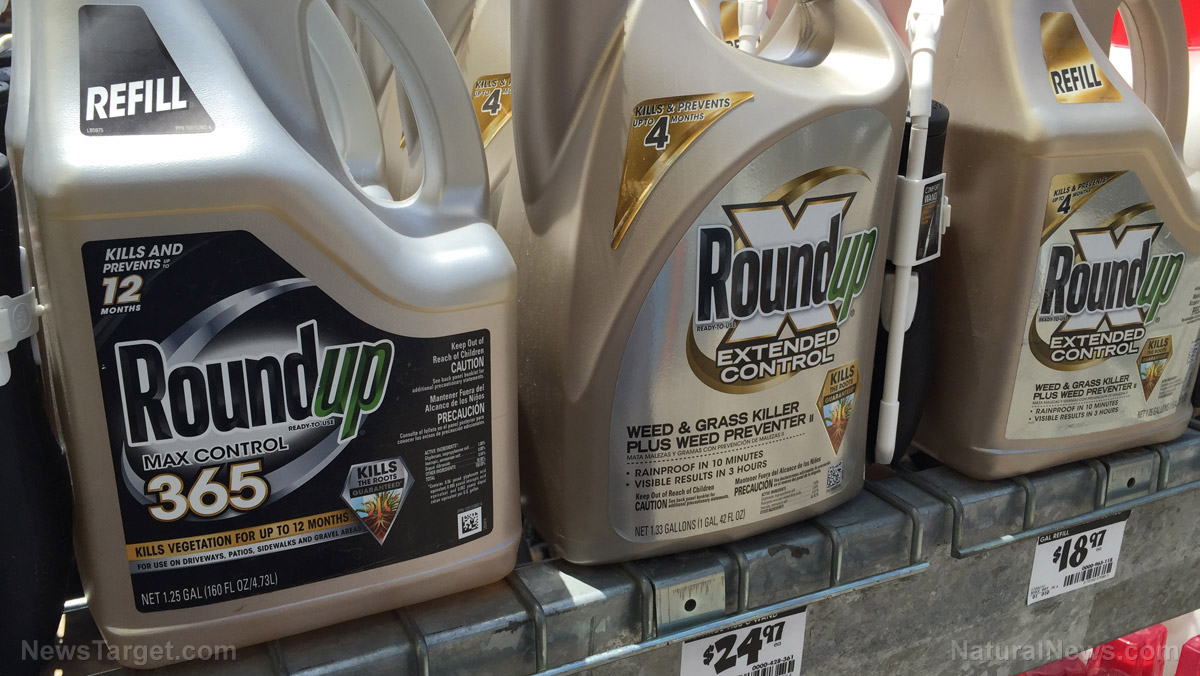
To understand the treachery of this re-approval, one must first grasp the scale of the deception and destruction that has unfolded since dicamba was first conditionally approved in 2016. Monsanto, followed by BASF, engineered a system of dependency: they sold genetically modified dicamba-tolerant seeds paired with their proprietary “low-volatility” dicamba herbicide formulations. They promised a precise tool. What they unleashed was an atmospheric plague.
The research submitted for approval was a sham, conducted in regions not representative of major soybean growing areas. Internally, even as they submitted this data, company scientists harbored deep uncertainties about the product’s volatility. The truth emerged with brutal clarity. The herbicide did not stay put. It vaporized and traveled for miles, a ghost in the wind that browned and stunted everything in its path that wasn’t genetically engineered to resist it. By 2017, an estimated 3.6 million acres of soybeans were damaged. The following year, it was at least 4.1 million. This wasn’t accidental overspray; it was the predictable outcome of a fundamentally volatile chemical applied on a continental scale.
The human cost has been the tearing of the social fabric in rural communities, as neighbors unknowingly poison each other’s fields. Organic farmers like Illinois crops consultant Aaron Glazik describe clients feeling “bullied into” buying the dicamba-tolerant system simply to defend their own land from their neighbors’ chemical drift. This “defensive planting” was cynically identified in internal Monsanto slides as a “lucrative market opportunity.” When the damage reports flooded in, the corporate response was not accountability, but a strategy of “deny! Deny! DENY!” as one internal Monsanto email urged, and the creation of investigation forms designed primarily to gather data to defend the company in court.
The regulators become the lobbyists
The most damning evidence of this chemical coup is not in the fields, but in the halls of the EPA itself. The agency’s latest approval did not emerge from a rigorous, science-first process. It was orchestrated by the very industry it is supposed to regulate. The decision was made under the authority of Kyle Kunkler, a former lobbyist for the American Soybean Association—a major dicamba cheerleader—who was installed as the deputy assistant administrator for pesticides. He reports to other former lobbyists for the American Chemistry Council. This is not a regulatory body; it is a corporate subsidiary.
Unsurprisingly, the new rules they produced read like an industry wish list, systematically dismantling even the feeble protections of past failed approvals. They eliminated a proposed June cutoff date for spraying, allowing year-round application. They dropped critical restrictions on daytime spraying when temperatures and volatility peak. They removed a requirement to review dangerous tank mixes that increase drift. In a stunning act of negligence, they even eliminated a volatility buffer intended to protect endangered species.
The EPA replaced calendar-based restrictions with a hollow reliance on “volatility reducing agents” on hot days, agents that have repeatedly proven ineffective, and an unenforceable prohibition on spraying above 95 degrees. These are not protections; they are performative gestures designed to provide legal cover while guaranteeing chemical sales. As Nathan Donley of the Center for Biological Diversity stated, this action “protect[s] the profits of pesticide companies and industrial agriculture instead of shielding the rest of us from dangerous poisons.”
An unfolding tragedy of health and heritage
The fallout extends far beyond soybean fields. Dicamba’s insidious drift has crippled fruit orchards, with Missouri peach farmer Bill Bader winning a $265 million judgment against Bayer and BASF for the destruction of his life’s work. It has ravaged vegetable farms, backyard gardens, and natural areas, stripping the landscape of biodiversity. Beekeepers report catastrophic drops in honey production as dicamba suppresses the flowering plants bees depend on, forcing some to abandon their operations entirely.
Emerging science now pierces the veil on human health impacts. Researchers at the National Institutes of Health have linked dicamba use to increased risks of cancers, including liver and bile duct cancer and lymphomas. The EPA, in its rush to reapproval, has ignored these warnings just as it ignored the pleas of scientists and farmers a decade ago.
The courts have twice intervened as a last line of defense, with the Ninth Circuit Court of Appeals in 2020 voiding an EPA approval for failing to consider impacts on farmers and the environment, noting the agency gave “too much deference to Bayer.” Yet, the captured EPA simply repackages the poison and slaps on a new label. Each cycle brings more damage, more farmer bankruptcies, and more concentration of power in the hands of the chemical-seed oligopoly.
Sources include:
Submit a correction >>
Tagged Under:
This article may contain statements that reflect the opinion of the author
RECENT NEWS & ARTICLES